All Categories
Featured
Table of Contents
Topical Depth and the 2026 Search Experience
Search technology in 2026 has moved far beyond the simple keyword matching of previous years. For large-scale organizations, the focus has shifted toward building undeniable authority through semantic depth. In the current environment, search engines prioritize entities and their relationships rather than just counting how many times a phrase appears on a page. This change means that a company looking to establish a presence in Website must demonstrate a complete understanding of its specific field. High-level content is no longer a luxury for enterprise-level entities. It is the primary way to signal to both users and algorithms that the information provided is the most accurate and contextually relevant option available.

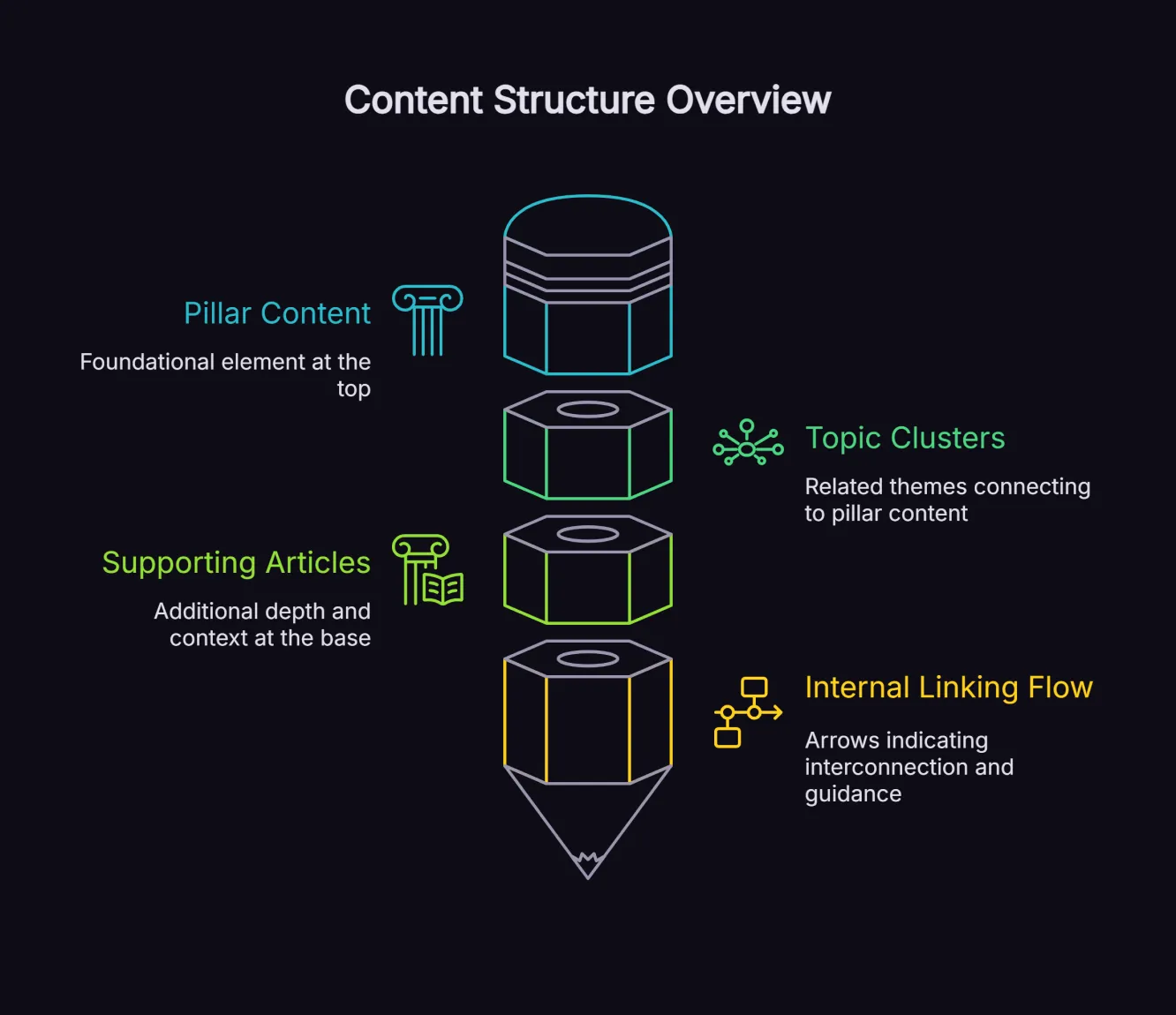
The core of this strategy lies in topical clustering. Instead of creating isolated articles about Technical Seo, organizations are now building interconnected webs of information. These networks cover every possible question a user might have, moving from broad introductory concepts to highly technical details. When an enterprise covers a topic with such intensity, it becomes an authority in the eyes of the digital systems that sort information. This approach is particularly effective in competitive regions throughout the United States, where local relevance can make or break a digital strategy. A business targeting Website needs to reflect the specific needs and language of that region while maintaining a massive scale of information across its entire digital footprint.
Establishing Authority through Semantic Precision
In 2026, building authority is about precision and the use of first-party data. Generative systems have made it easy for everyone to produce text, which has led to an explosion of mediocre, repetitive content. To stand out, enterprise content must be grounded in specific, verifiable facts and original insights. This often involves using AI to analyze internal data sets to find trends that haven't been discussed elsewhere. With specialized knowledge in Online Website Marketing, companies can ensure their messaging hits the mark without sounding like every other generic voice in the market. This level of specificity helps search engines understand exactly what a business does and which specific queries it is best suited to answer.
Topical authority also requires a commitment to constant updates. In 2026, information becomes stale faster than ever. An enterprise that wants to remain the go-to source must have systems in place to refresh its content regularly. This isn't just about changing a few dates or adjectives. It involves looking at new research, updated standards, and shifting consumer behavior in places like Website. If the content remains stagnant while the world moves on, the authority once earned will quickly disappear. Digital systems are now trained to recognize "information decay," and they will prioritize fresher, more accurate sources that reflect the current state of the industry.
The Role of Large-Scale Personalization
Personalization at the enterprise level has historically been difficult to manage. However, current AI systems allow for a level of customization that was previously impossible. This doesn't mean just putting a user's name at the top of a page. It means adjusting the technical level, the examples used, and the tone of the content based on the user's intent and history. Online Website Marketing Crawlability and Indexation Fixes provides a clear advantage in highly saturated search results by meeting the user exactly where they are. If a user in Website is looking for advanced technical specifications, the AI can deliver a different version of the content than it would to someone who is just beginning their research.
This personalization also extends to geographic relevance. For businesses operating across the United States, the way people talk about Technical Seo can vary significantly. An enterprise content strategy in 2026 must be able to adapt to these regional nuances without manual intervention for every single page. AI helps bridge this gap by identifying local terminology and integrating it into the core content. This ensures that a reader in California sees examples and units of measurement that feel natural to them, such as references to local weather patterns in Fahrenheit or distances measured in miles, which builds a stronger sense of trust and familiarity.

Synthesizing Data for Better Content Delivery
Data synthesis is the process of taking disparate pieces of information and turning them into a cohesive story. In 2026, the most successful enterprises are those that can take their sales figures, customer feedback, and market research and turn them into helpful content. This process often starts with identifying "content gaps"—questions that customers are asking but the company hasn't answered yet. By using AI to scan customer support logs and social media interactions, firms can find these gaps and fill them with high-quality information. Business leaders who invest in Online Website Marketing for Service Websites find that regional engagement rates rise significantly because the content feels like it was written specifically for the problems they face.
The financial impact of this strategy is clear. In 2026, the cost of acquiring a new customer through traditional advertising has continued to rise, with some industries seeing costs exceed 150 USD per lead. Building topical authority reduces these costs over time. Once a page or a cluster of pages establishes itself as a primary source, it generates traffic without requiring a constant ad spend. This organic reach is more sustainable and often results in higher-quality leads, as users who find content through their own search are typically further along in the decision-making process. For an organization serving Website, this means a more efficient use of the marketing budget and a stronger long-term position.
Ethics and Privacy in the Age of AI Content
As organizations use more AI to drive their content strategies, ethical considerations and privacy standards have become central to the conversation. US-specific regulations in 2026 have tightened around how personal data is used to generate content. Transparency is now a requirement. Users want to know if the advice they are reading was generated by an AI and what data was used to personalize their experience. Enterprises must balance the desire for hyper-personalized content with the need to protect user privacy. This involves moving toward "zero-party data"—information that customers intentionally and proactively share with a brand.
Accuracy is another ethical pillar. AI systems are prone to "hallucinations" if they are not properly grounded in a factual database. For an enterprise, an error in technical content can lead to significant liability or loss of reputation. This is why human oversight remains a key part of the process in 2026. Experts in Technical Seo must review AI-generated content to ensure that it meets the company's standards and follows all US safety and compliance rules. A single piece of misinformation can undo months of work spent building topical authority, especially in fields like finance, healthcare, or legal services where accuracy is everything.
Future-Proofing Enterprise Information Systems
Looking ahead, the demand for high-quality, personalized content will only grow. Organizations that have already built a solid structure for their content will be better prepared for whatever comes next. This involves moving away from flat, static websites and toward more active information systems that can respond to user needs in real-time. In 2026, the goal is to create an "answer engine" rather than just a website. This means the content must be structured in a way that AI-powered search assistants can easily extract and present it to users, whether they are using a screen, a voice interface, or an augmented reality device.
Scaling these systems across different locations like Website requires a modular approach. Content is broken down into small, reusable "bricks" of information that can be reassembled in different ways depending on the context. This allows an enterprise to maintain a consistent brand voice while still offering the flexibility needed for local personalization. By focusing on topical authority today, businesses are not just improving their search rankings; they are building a comprehensive knowledge base that will serve as the foundation for their digital presence for years to come. The organizations that succeed will be those that view content not as a series of marketing materials, but as a core business asset that deserves the same level of investment and care as their physical products or services.
The shift toward AI-driven personalization and topical authority is not just a trend for 2026; it is a fundamental change in how information is shared and consumed. For enterprises in the United States, the path forward involves a deep commitment to quality, a smart use of data, and a focus on the specific needs of users in places like Website. By mastering these elements, organizations can rise above the noise and establish themselves as the definitive voices in their respective fields.

Latest Posts
Optimizing B2B Writing Using High-Speed AI Tools
Is Your Company Ready for Automated Search?
Optimizing Business Content Using High-Speed AI Tools